
The allure of casino games: A psychological perspective
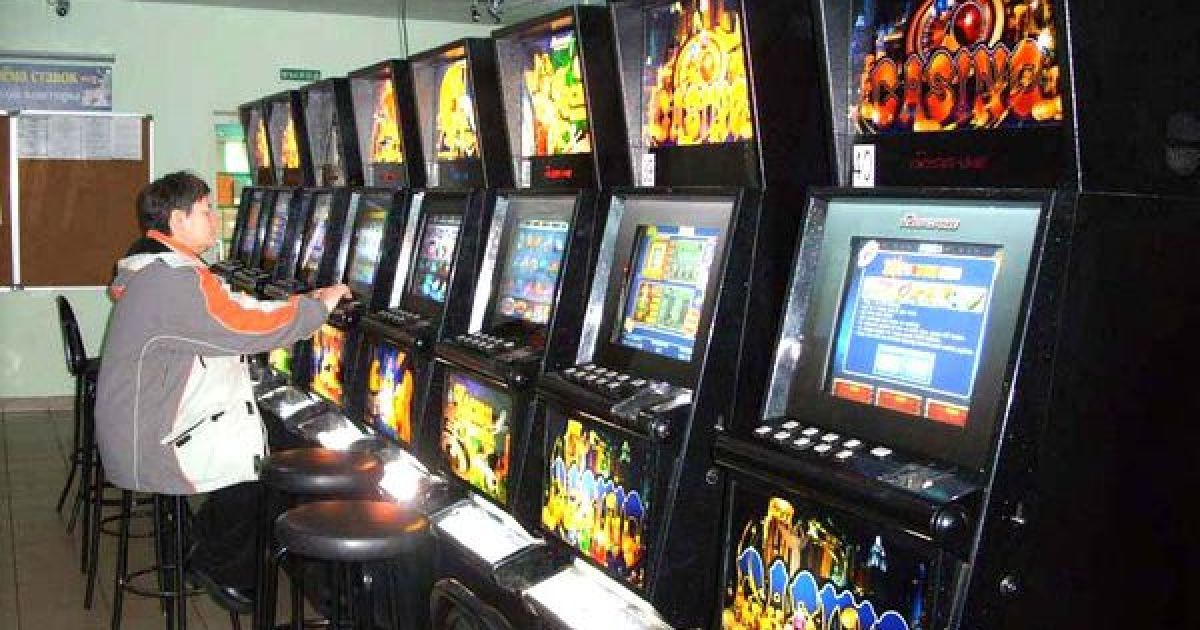
The world of casino games is not just about luck and chance; it is deeply rooted in psychological principles that influence player choices. The immediate gratification associated with games like slots is a significant factor that draws players in. The flashing lights and engaging sounds create an environment where players feel a rush of excitement. Interestingly, this sensory stimulation can lead to a phenomenon known as the «near-miss effect,» where players feel motivated to continue playing after coming close to winning. Moreover, exploring options like non gamstop casino no deposit bonus can enhance their experience, allowing further engagement in the gaming experience.
Moreover, the social environment of casinos appeals to our innate desire for social interaction. Many players enjoy the thrill of playing with others, as it enhances the overall excitement. The psychological need for social belonging can significantly affect game choices, with players often gravitating toward those that are played in groups, such as poker and blackjack. This social aspect can make the gaming experience more enjoyable and rewarding, thereby influencing ongoing participation.
Rethinking risk and reward in gambling
Risk-taking behavior is a crucial aspect of gambling. Many players are drawn to game choices that provide a balance between risk and reward. Games like roulette offer a chance to win big with a relatively small bet, making them appealing to risk-takers. The concept of loss aversion, a well-documented psychological phenomenon, explains why players may continue to gamble after a series of losses in the hope of recouping their money. This can lead to a cycle of chasing losses, where psychological pressure mounts, compelling individuals to take greater risks.
Additionally, the concept of variable reinforcement plays a vital role in sustaining player engagement. In games with irregular payout schedules—such as slot machines—players experience intermittent rewards that can lead to increased playing time. This unpredictability of winnings can create a compelling draw, as players are often left wondering when their next big win will occur. This uncertainty can intensify the psychological allure of gambling, as the brain craves the dopamine high that accompanies wins.
The influence of marketing and branding on game selection
The marketing strategies employed by casinos and game developers significantly impact player choices. Visual branding, thematic designs, and promotional campaigns are meticulously crafted to evoke emotions that resonate with potential players. For instance, themes based on popular culture or fantasy can attract players seeking an escape from reality. The psychological impact of these themes can create a stronger connection to specific games, influencing players to choose them over others.
Moreover, the availability of bonuses and promotions can sway game decisions. Players may be inclined to try new games that offer enticing incentives, such as free spins or cash rewards. These promotional tactics exploit the psychology of scarcity and urgency, prompting players to act quickly to seize limited-time offers. This manipulation of human behavior can lead to increased participation in games that might not have been initially appealing to the player.
Understanding the player’s mindset: Emotional and cognitive factors
A player’s mindset going into a casino plays a significant role in the types of games they choose. Emotions such as excitement, anxiety, or even boredom can impact decision-making. For instance, players seeking an adrenaline rush may prefer fast-paced games, while those looking for a more relaxed experience may choose card games where they can take their time. The interplay between emotional states and game selection underlines the complexity of gambling behavior.
Cognitive biases also affect how players perceive their chances of winning. Many players overestimate their skills, particularly in games believed to be strategic, like poker and blackjack. This ‘illusion of control’ can lead them to choose these games, believing they can influence outcomes through skill or tactics, rather than chance. Understanding these cognitive distortions is key to recognizing why certain games appeal more to specific individuals.
Enhancing user experience and access challenges
Ensuring a seamless experience in the realm of online casinos is paramount for user satisfaction. Players may encounter access issues due to various security protocols aimed at protecting their data and ensuring fair play. Understanding these security measures can enhance player confidence, allowing them to make more informed choices about gameplay. Notably, players should be aware that access challenges may arise during peak gaming times or due to technical updates.
Individuals should know their options for resolving access issues, including potentially contacting site support for assistance. By familiarizing themselves with the site’s security protocols, players can better navigate any challenges they may face. This proactive approach not only improves user experience but also fosters a sense of trust and safety in the gambling environment.

